
Hurricane Helene reminded us that disaster response starts long before the disaster itself. It starts with prepared organizations, trusted relationships, clear communication, and people who understand their role before the next emergency happens.
These workshops are for the people and organizations Pickens County will count on when the next disaster comes. Whether you work with a nonprofit, church, local government, business, civic group, volunteer organization, or simply care about being part of the solution, you are invited to attend. No prior disaster response experience is required. These workshops are designed for community partners and local leaders who want to better understand how they, their organization, or their group can help before, during, and after a disaster.
Attend one. Attend two. Attend all three. Each workshop stands on its own. Taken together, they build a deeper understanding of how Pickens County can prepare, respond, and recover.
Three Workshops. One Purpose.
Each session focuses on a different stage of the disaster cycle: preparing, responding, and recovering. Register for one, two or all three. All workshops run from 9:00 a.m. to noon, with doors opening at 8:30 a.m. Coffee and light snacks will be available.
Leading Through Disaster:
Building Community Awareness and Preparedness
The first workshop focuses on what happens before a disaster ever arrives. Preparedness is more than supplies and plans on paper. It is the relationships, the awareness, and the leadership practices that allow a community to act quickly when minutes matter. This session is for leaders who want to strengthen the foundation their organization stands on before the next emergency.
What you will take away:
- A clearer understanding of your organization's role in community preparedness
- Practical strategies for building awareness with the people you serve
- The connections and partnerships worth establishing before disaster strikes
- Leadership practices that hold up under pressure
Date: Tuesday, June 30, 2026
Doors open: 8:30 a.m.
Workshop: 9:00 a.m. to noon
Location: Clemson United Methodist Church
300 Frontage Rd, Clemson, SC 29631
From Preparedness to Action:
Coordinating Community Response and Recovery
When a disaster arrives, plans meet reality. The second workshop focuses on the days and weeks immediately following an event, when speed, coordination, and clear communication determine how well a community responds. We will look at what coordination actually looks like in practice across organizations, agencies, and volunteers, and how to move from emergency response into early recovery without losing momentum.
What you will take away:
- A working understanding of how your organization activates within a broader community response
- Tools for coordinating across nonprofit, faith, government, and business partners
- Communication practices that hold up during a crisis
- A clear bridge between emergency response and the recovery work that follows
Date: Wednesday, July 29, 2026
Doors open: 8:30 a.m.
Workshop: 9:00 a.m. to noon
Location: Pickens County Emergency Response Center, 224 McDaniel Avenue, Pickens, SC 29671
Recovery, Resilience and Healing:
Supporting Communities After Disaster
The hardest part of recovery often comes after the news cameras leave. Months and years after a disaster, families are still rebuilding homes, processing what they have been through, and finding their footing again. The third workshop focuses on the long arc of recovery: the practical, emotional, and community-wide work of helping a community heal.
What you will take away:
- A clearer picture of the long arc of recovery and what families need at each stage
- Approaches for supporting the mental and emotional well-being of those affected
- Strategies for building sustained resilience into your organization and your community
- Practices for sustaining your own team through long recovery work
Date: Tuesday, August 25, 2026
Doors open: 8:30 a.m.
Workshop: 9:00 a.m. to noon
Location: Easley Presbyterian Church, 200 S. 1st Street, Easley, SC 29640
Meet Your Facilitators
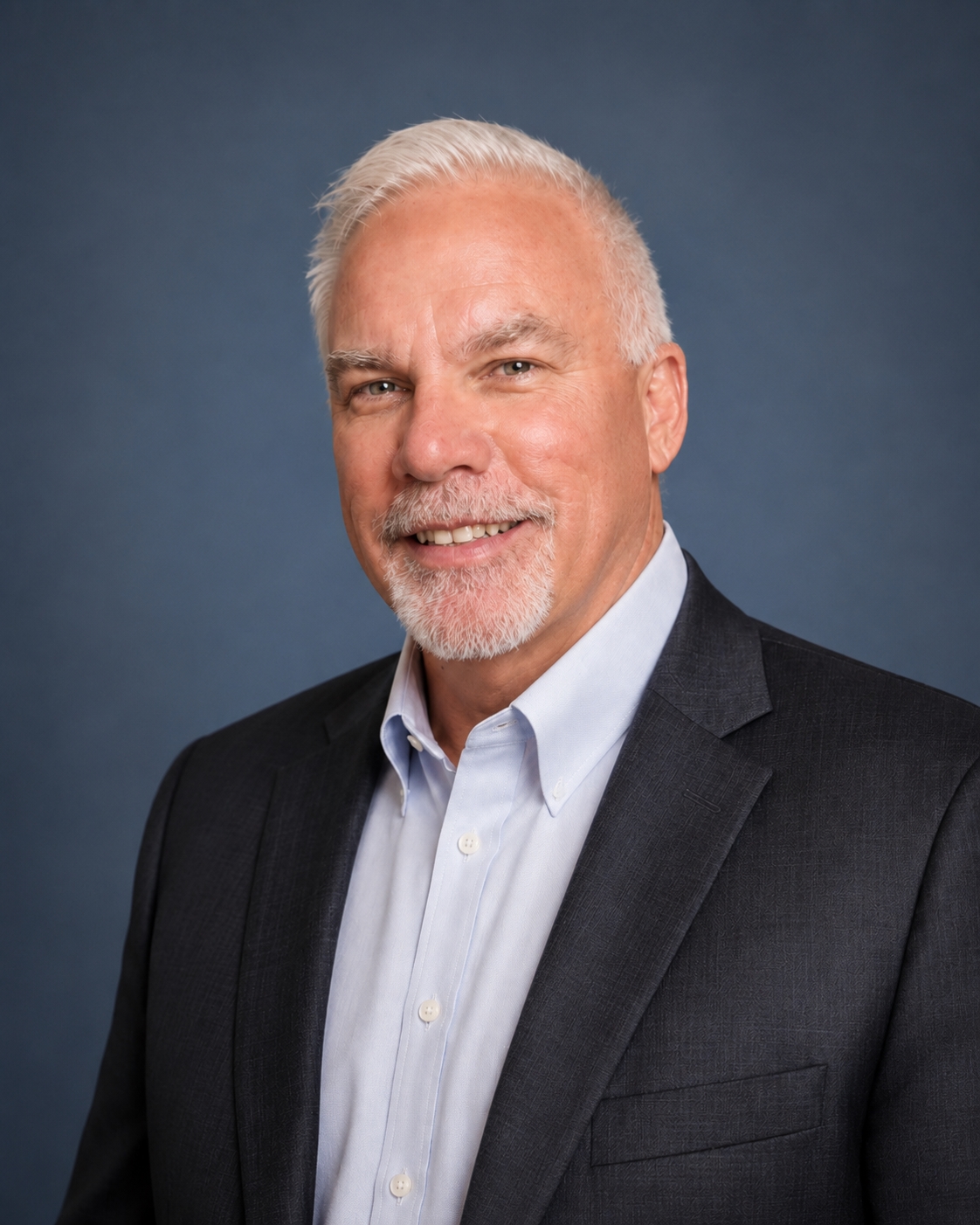
Chief (Ret.) Gregory G. Mullen
Greg Mullen brings nearly three decades of experience in public safety leadership, critical incident response, and community crisis recovery.
Throughout his career, he served as Police Chief in Charleston, South Carolina, and later led public safety at Clemson University. He guided responses to major incidents including the Emanuel AME Church shooting, the Sofa Super Store Fire, Clemson’s COVID-19 operations, and others.
His work has focused on helping communities, public safety leaders, and organizations prepare for, respond to, and recover from complex critical incidents, mass violence events, and large-scale tragedies.
Today, Greg works with the National Mass Violence Center and the IACP’s Mass Violence Advisory Initiative. He also serves on the Advisory Board of the Excellence in Policing and Public Safety Program at the University of South Carolina School of Law, where he teaches on critical incident preparation and response.
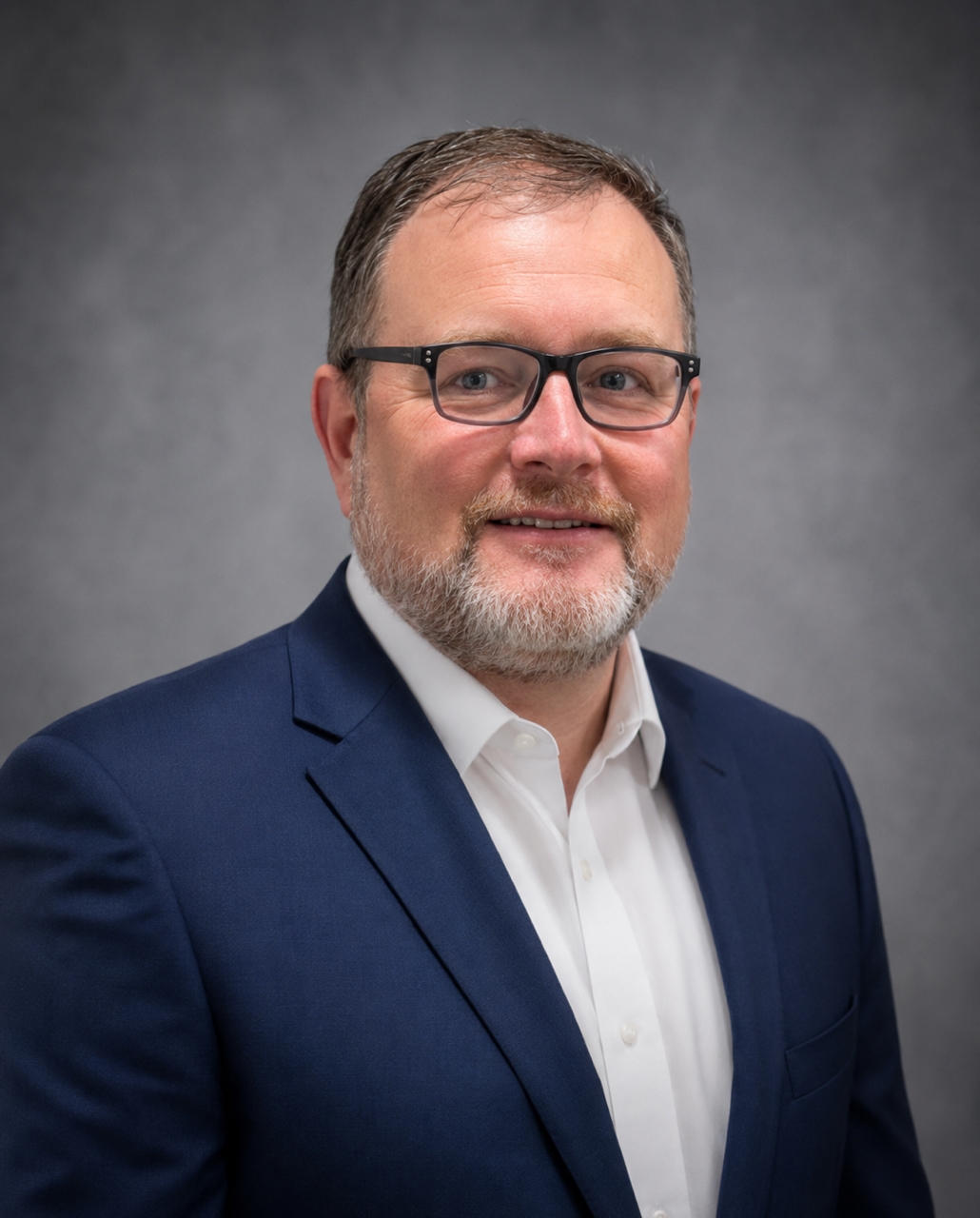
Chris Jordan
Chris Jordan brings nearly three decades of experience in pastoral ministry, chaplaincy, disaster response, and crisis care.
Throughout his career, he has supported communities and responders through major incidents including Hurricanes Katrina and Helene, the Highway 31 Wildfire in Myrtle Beach, the Pinnacle Mountain and Table Rock wildfires, and others.
His work has focused on post-traumatic growth, crisis response, and helping first responders, churches, and community leaders navigate officer-involved shootings, line-of-duty deaths, natural disasters, and other critical incidents.
Today, Chris serves as Executive Director of the Piedmont Baptist Association. He holds a Doctor of Ministry degree from Anderson University with a focus in Organizational Revitalization and works to equip churches, first responders, and community leaders to prepare for, respond to, and recover from crises.
Who these workshops are for
These workshops are designed for anyone whose work or service touches disaster preparedness, response, or recovery in Pickens County.
That includes nonprofit staff and leadership, faith community leaders, government and emergency management partners, business community members, civic and volunteer organization leaders, and community members who want to be part of how Pickens County prepares for what comes next.
You do not need prior disaster response experience to attend. You only need a commitment to your community.
Need More Information?
Whether you have a question about a specific workshop, registration, or how your organization can be part of long-term recovery in Pickens County, contact Theresa Singletary, Long-Term Recovery Group Coordinator.